
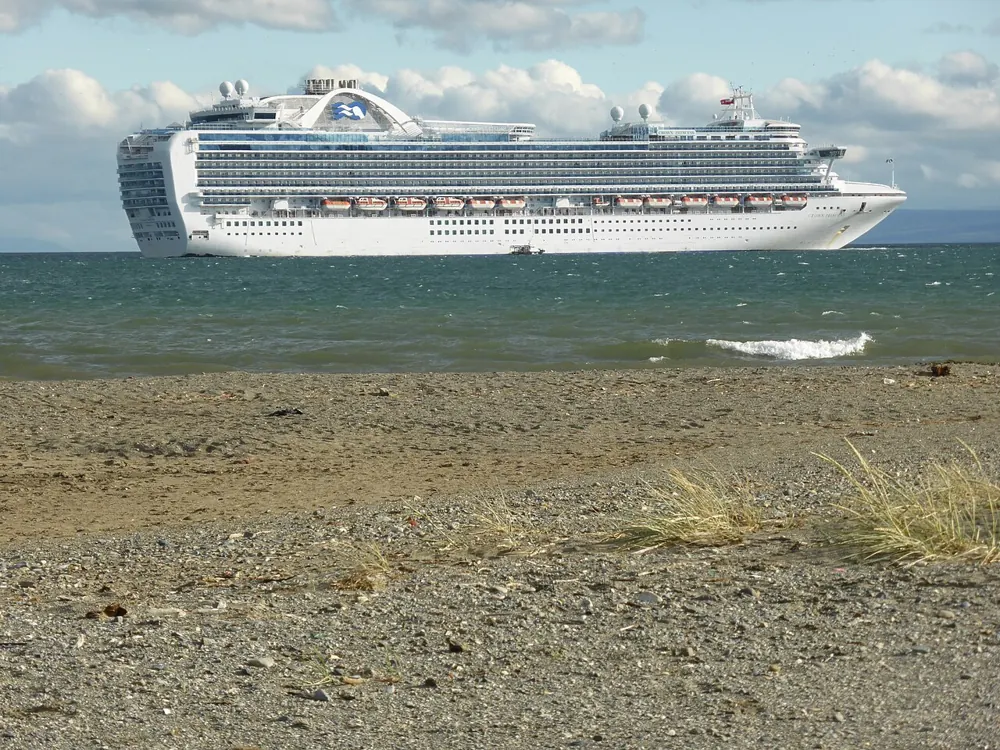
Check your terminal, the way you will disembark and your ship's all-aboard time before booking anything ashore.
Start with your ship, not a generic itinerary
Cruise calls can use the Arturo Prat and José de los Santos Mardones terminals; some ships remain at anchor. The place where a vessel appears on a map is not a reliable meeting point for every passenger. Ask your cruise line for your actual disembarkation instructions, shuttle arrangements and all-aboard time. If you tender, allow for the queue in both directions. Port calls can change with weather.
Measure your available time from the moment you expect to be outside the terminal until the time you want to be back at the correct return point. That usable window is shorter than the advertised hours in port.
If you have a short window
Keep the day in town. The waterfront makes a good first encounter with the Strait of Magellan; the central square and streets around it add a sense of the city's port history. Choose one museum or a relaxed meal rather than trying to do both a distant wildlife excursion and a city visit. Confirm opening hours for your date, especially on Sundays.
If you have most of the day
You can add the cemetery, a museum or a more leisurely food stop. Museo Nao Victoria sits outside the compact central walking area, so it needs an extra transfer. Penguin trips and other excursions depend on departure times, season and weather; check the operator's return plan against your ship's deadline before paying. A six-hour call and six hours freely available ashore are different things.
A local food alternative
If cooking Chilean dishes with local hosts appeals more than a large sightseeing group, La Oveja runs a small cooking experience with wine and arranged pickup and return in Punta Arenas. The class itself takes about 2½ hours, with transfers in addition. Send the ship name, expected time ashore and all-aboard time before reserving so the team can check whether it fits. A short stop may simply be better spent exploring independently.
Build the day backwards from all-aboard
Write down four times: the scheduled arrival, your realistic exit from the ship, the latest time you want to be back at the boarding point, and all-aboard. Tender tickets, immigration instructions, a shuttle and the walk from the pier can all reduce the window. Use the return time you set, not the ship's last possible boarding minute, when comparing activities. Keep your ship card and the port contact instructions with you offline.
If an independent provider offers pickup, specify the terminal and the exact meeting landmark in writing. A city address alone is not enough when ships use different berths. Confirm who calls whom if the vessel changes its call or tendering is suspended.
A flexible town plan for roughly four, six or eight hours ashore
With roughly four usable hours, choose the waterfront and central streets, then either a snack or one indoor stop. With six, allow for an unhurried regional lunch and one museum or the cemetery, factoring in transport between stops. With eight, you can extend the cultural visit or book a timed activity, but only if its return leaves a buffer. These are planning windows after disembarkation, not promises about how long each ship will take to clear passengers.
Keep a second plan that works in wind or rain: a museum, a long meal and a short waterfront walk when conditions ease. A cancelled wildlife boat does not automatically free enough time for another distant outing.
Questions to settle before paying for an excursion
Ask for the complete door-to-door duration, the exact departure and return points, what happens if the ship tenders late, and the cancellation policy when port calls change. For penguins, ask whether the advertised time includes road travel, check-in and the boat. For a city food activity, ask about dietary needs and the pickup arrangement. If the operator cannot explain how you will return comfortably before boarding, choose a simpler day.
Hours, availability, transport and weather can change. Confirm any time-sensitive detail with the venue, operator or your ship before committing to a schedule.
Sources and further reading
These references support the regional context. They do not replace checking a provider's current schedule.
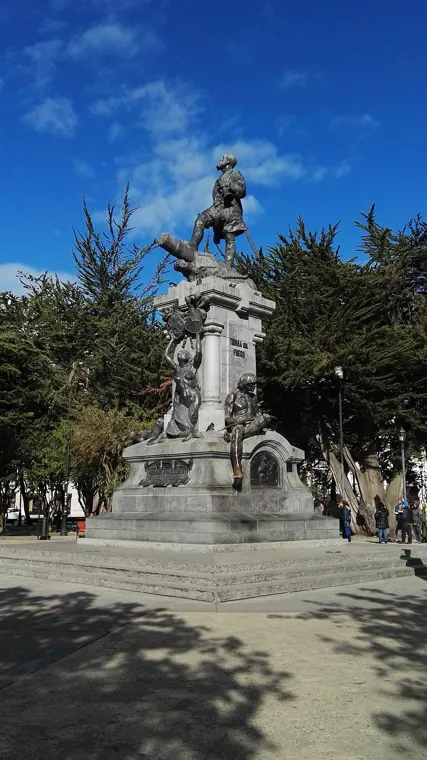
One day in Punta Arenas: a local-paced itinerary
How to spend a full day in Punta Arenas with the Strait, city history, food and room to change plans in Patagonian weather.
Read the guide
Where to eat in Punta Arenas: choose by appetite, not a ranking
A local way to choose food in Punta Arenas, from a quick Chilean snack to seafood and a slow dinner, with questions to ask before you go.
Read the guide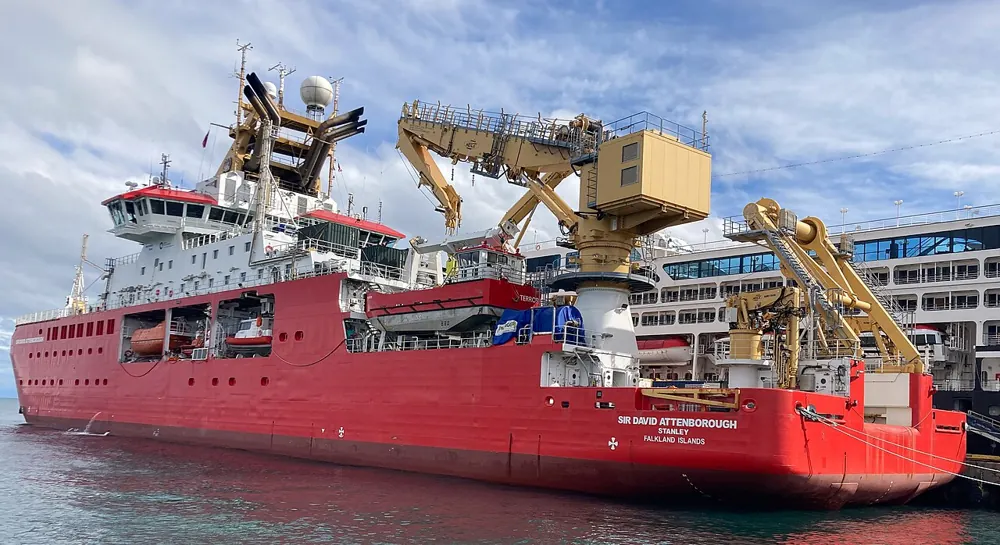
Punta Arenas before or after Antarctica: use your free time well
Ideas for an afternoon or extra day in Punta Arenas around an Antarctic expedition, with flexible plans for briefings and weather changes.
Read the guide